
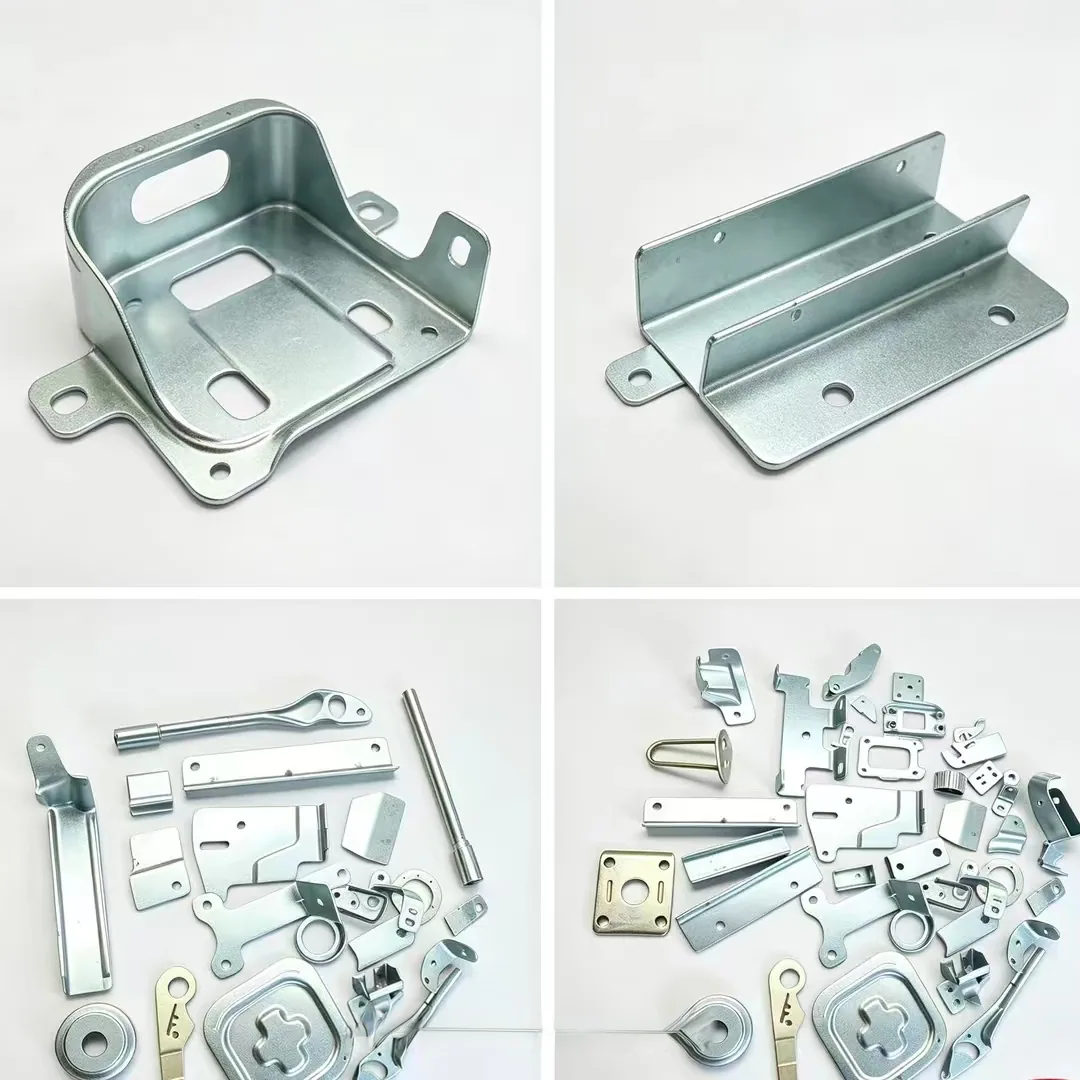
L BRACKETS
Custom L brackets
Right-angle brackets with your hole pattern, leg lengths and bend radius.
See L brackets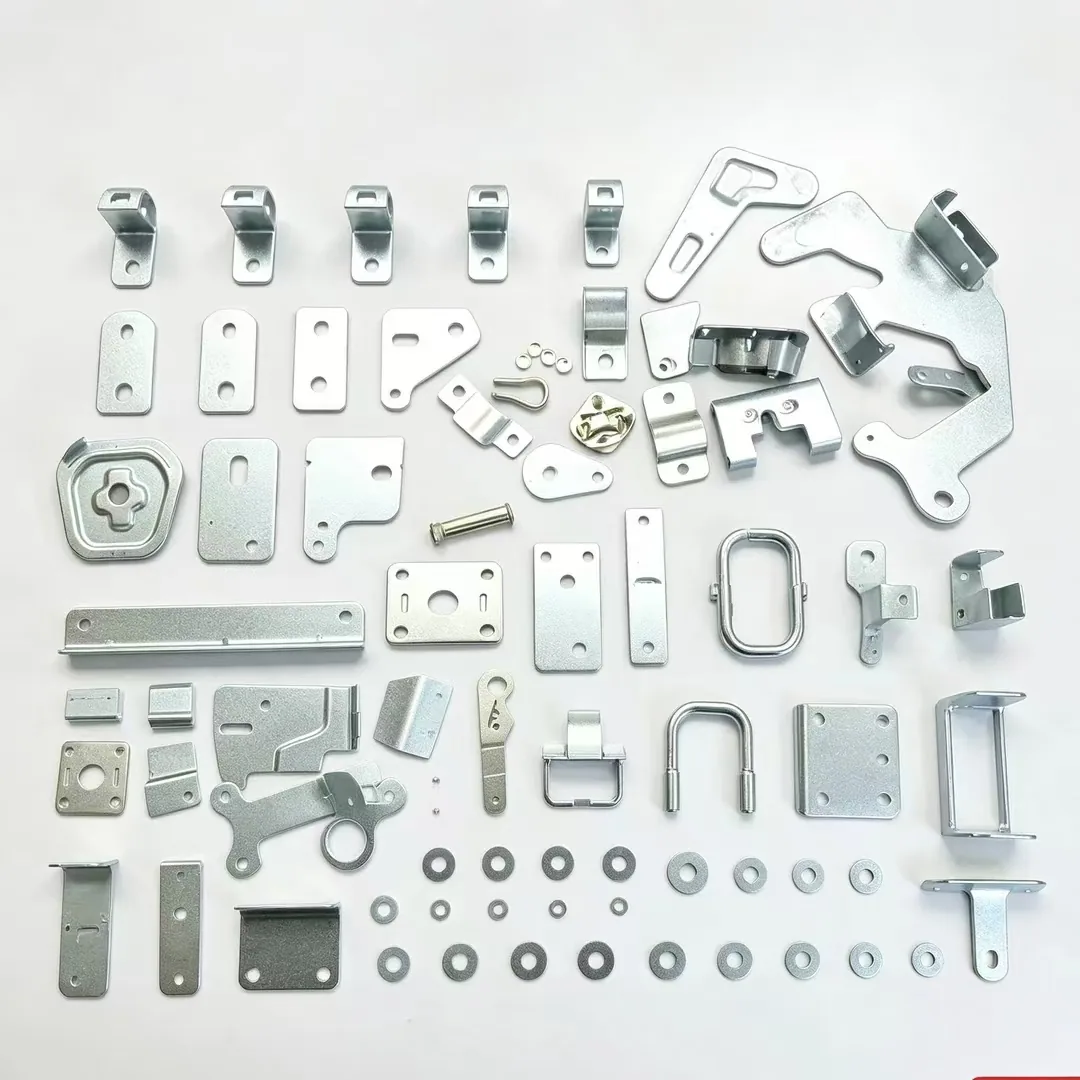
CUSTOM METAL STAMPING, MADE TO DRAWING
Custom stamped brackets, plates and formed parts in 0.5–10 mm steel, stainless and aluminium. 30–400 T presses, ISO 9001, quoted against your drawing revision.
01 / CAPABILITIES
Pick the process that matches the part — or send the drawing and we will tell you which one fits.
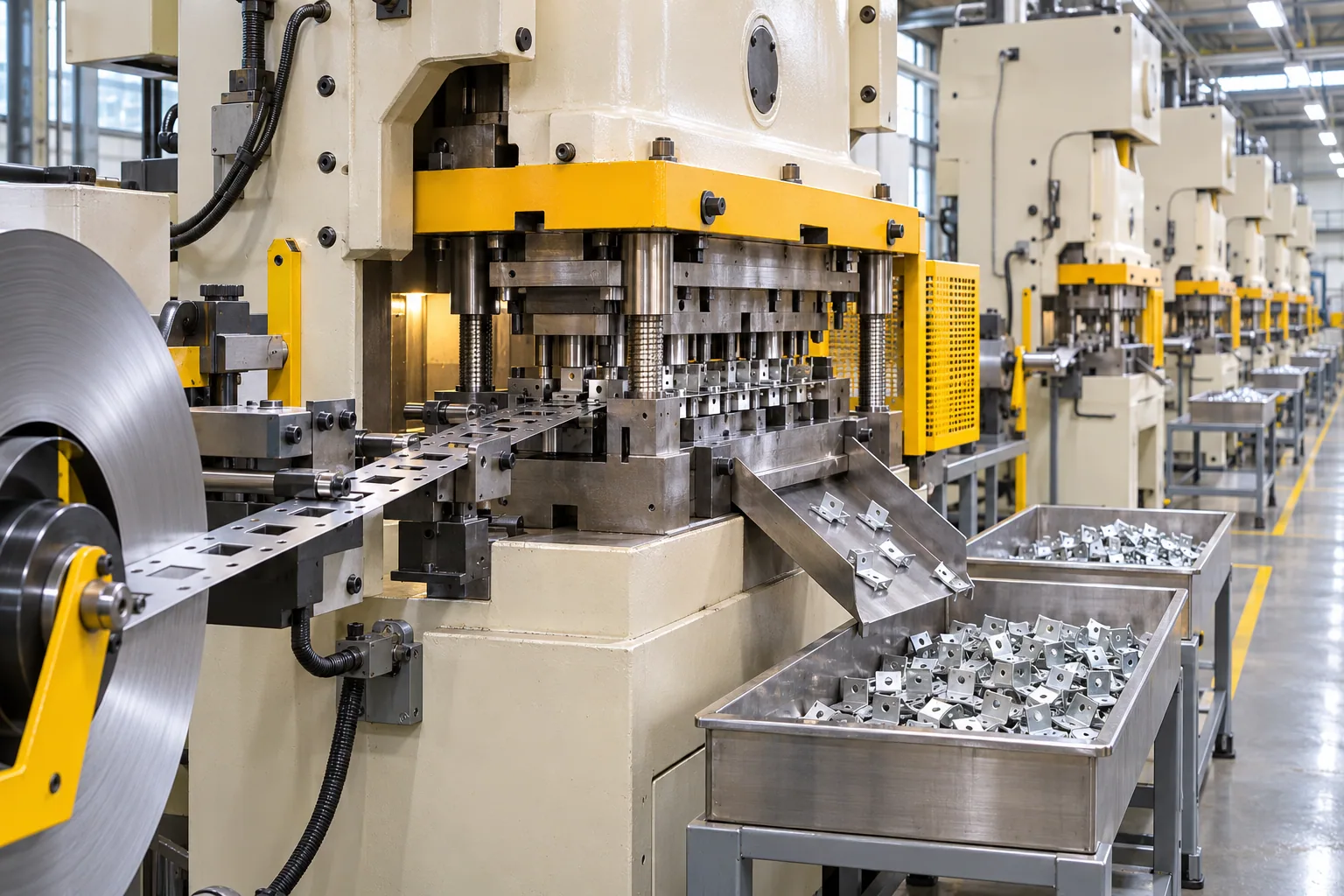
STAMPING
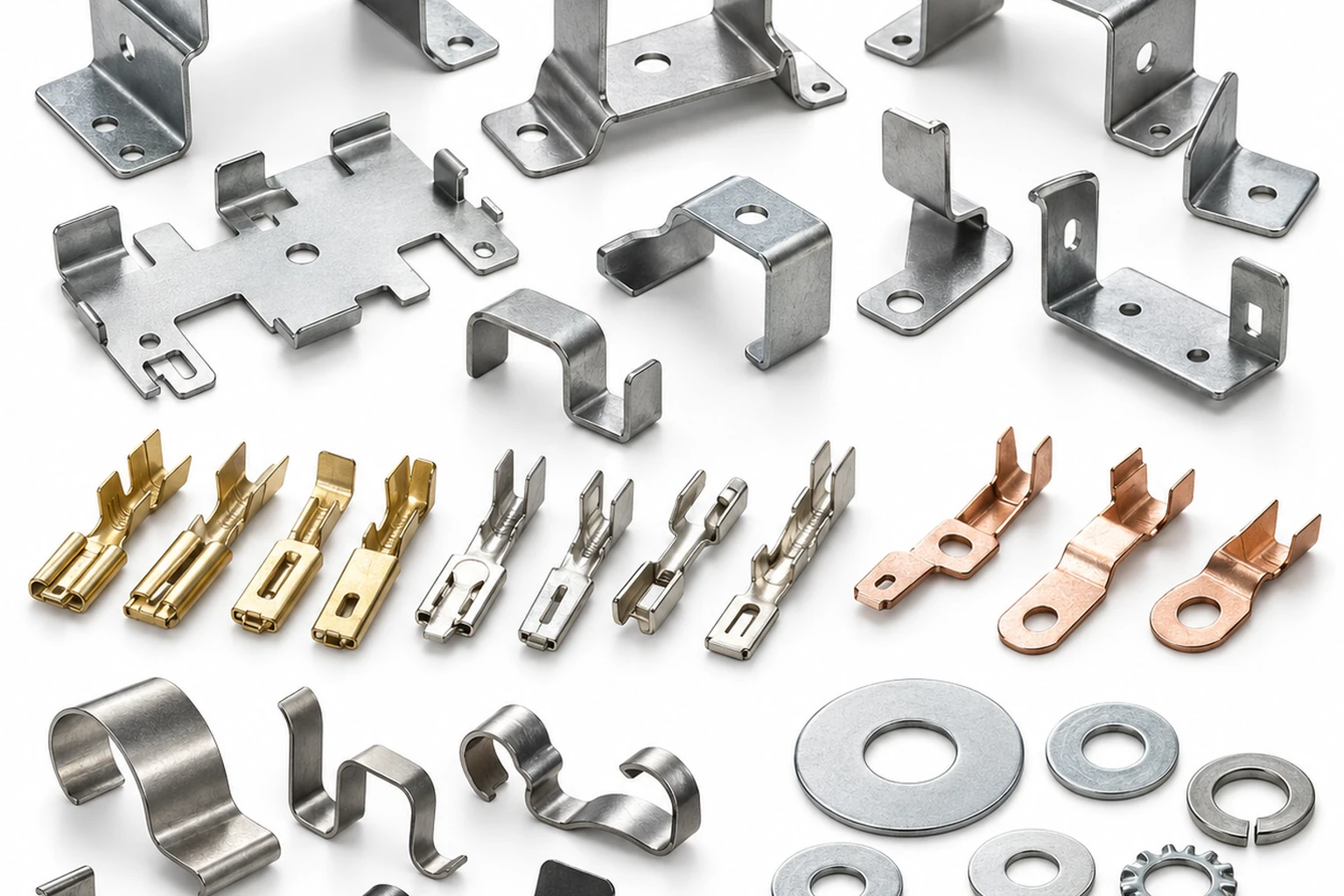
Progressive and single-stroke stamping for brackets, plates and clips — piercing, forming and trimming in one route.
FORMING
Press-brake and in-die bending for L brackets, U channels and multi-bend parts, with springback built into the tool.
DEEP DRAWING
Drawn shells, cups and covers, where draw ratio and finished wall thickness decide feasibility.
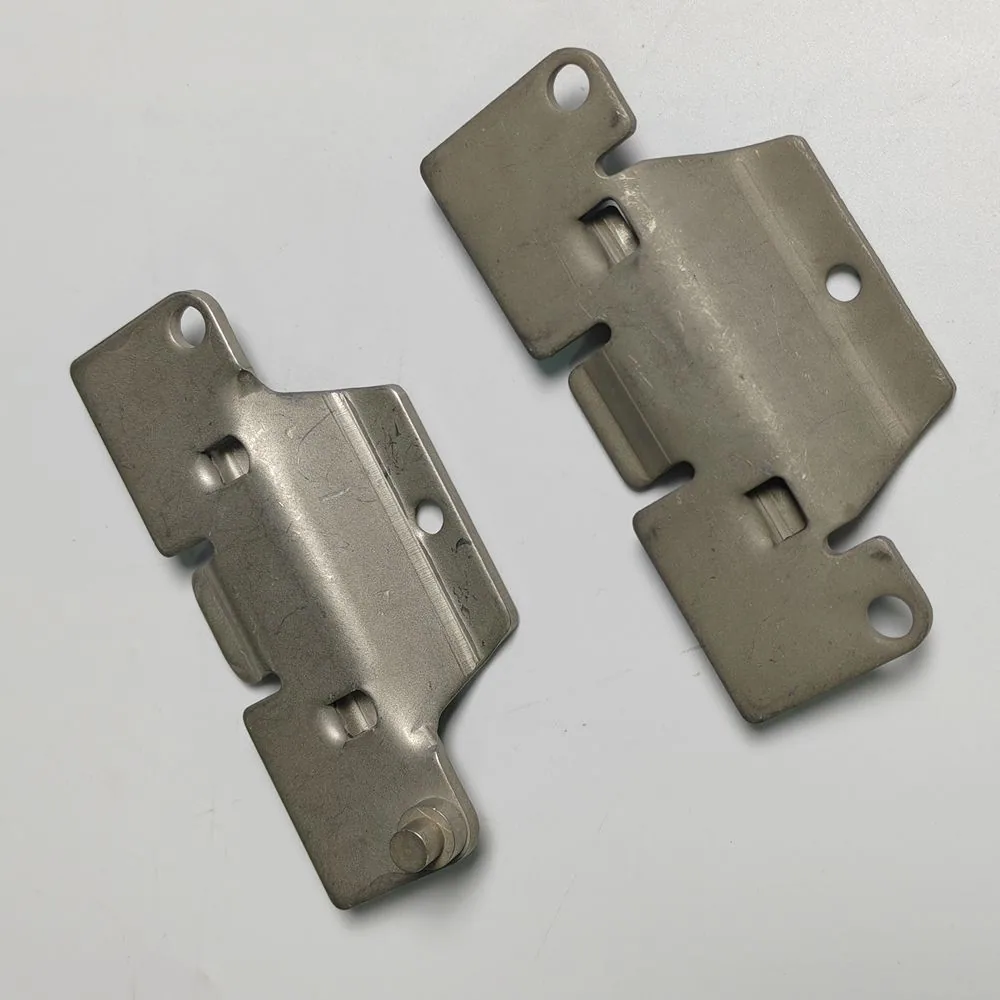
INSPECTION
First-off approval, in-process checks and final inspection against the dimensions you mark on the drawing.
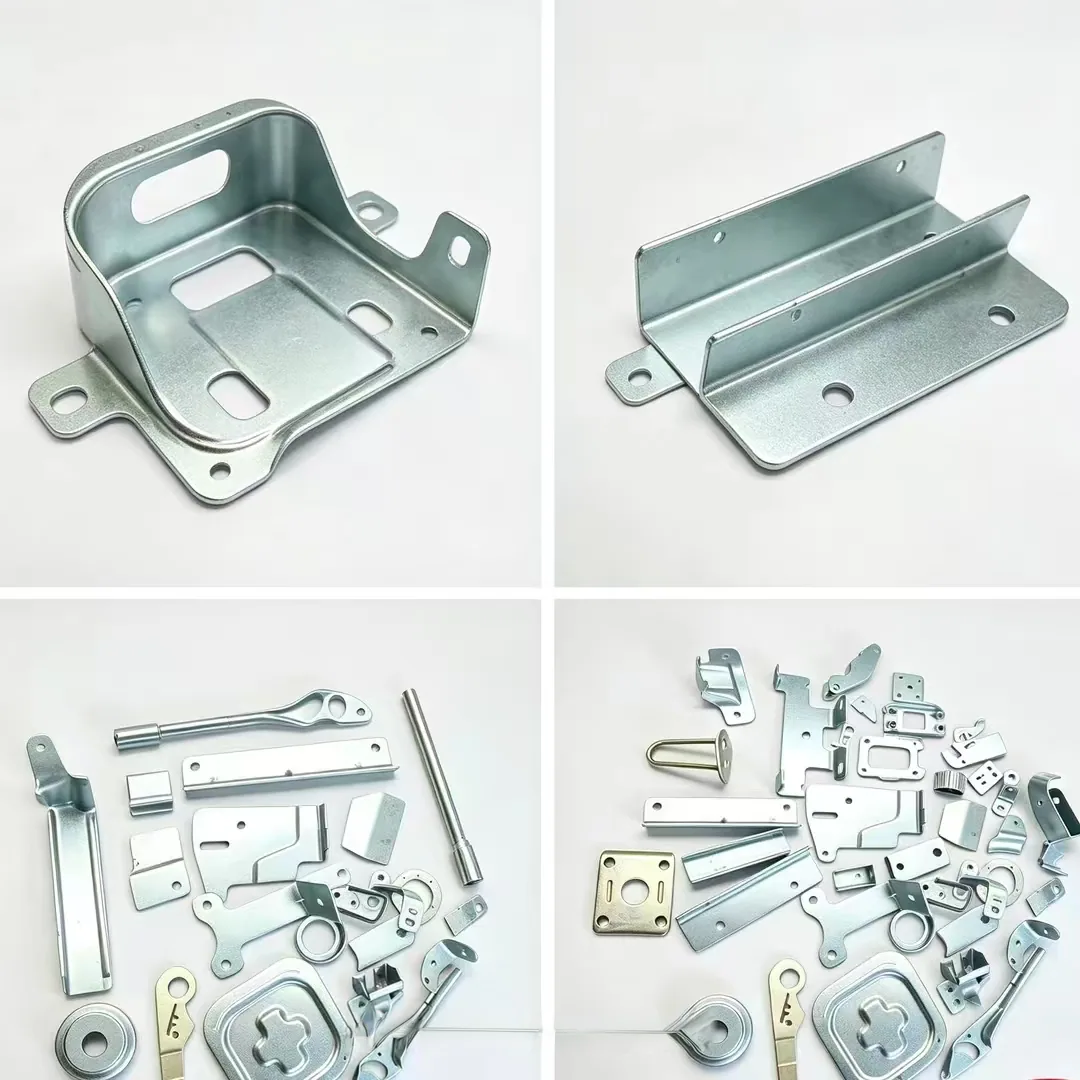
Send the drawing — we will confirm which route fits before quoting.
02 / PRODUCT FAMILIES
The brackets, plates and clips we stamp most often — each made to your revision, not from stock.
Right-angle brackets with your hole pattern, leg lengths and bend radius.
See L brackets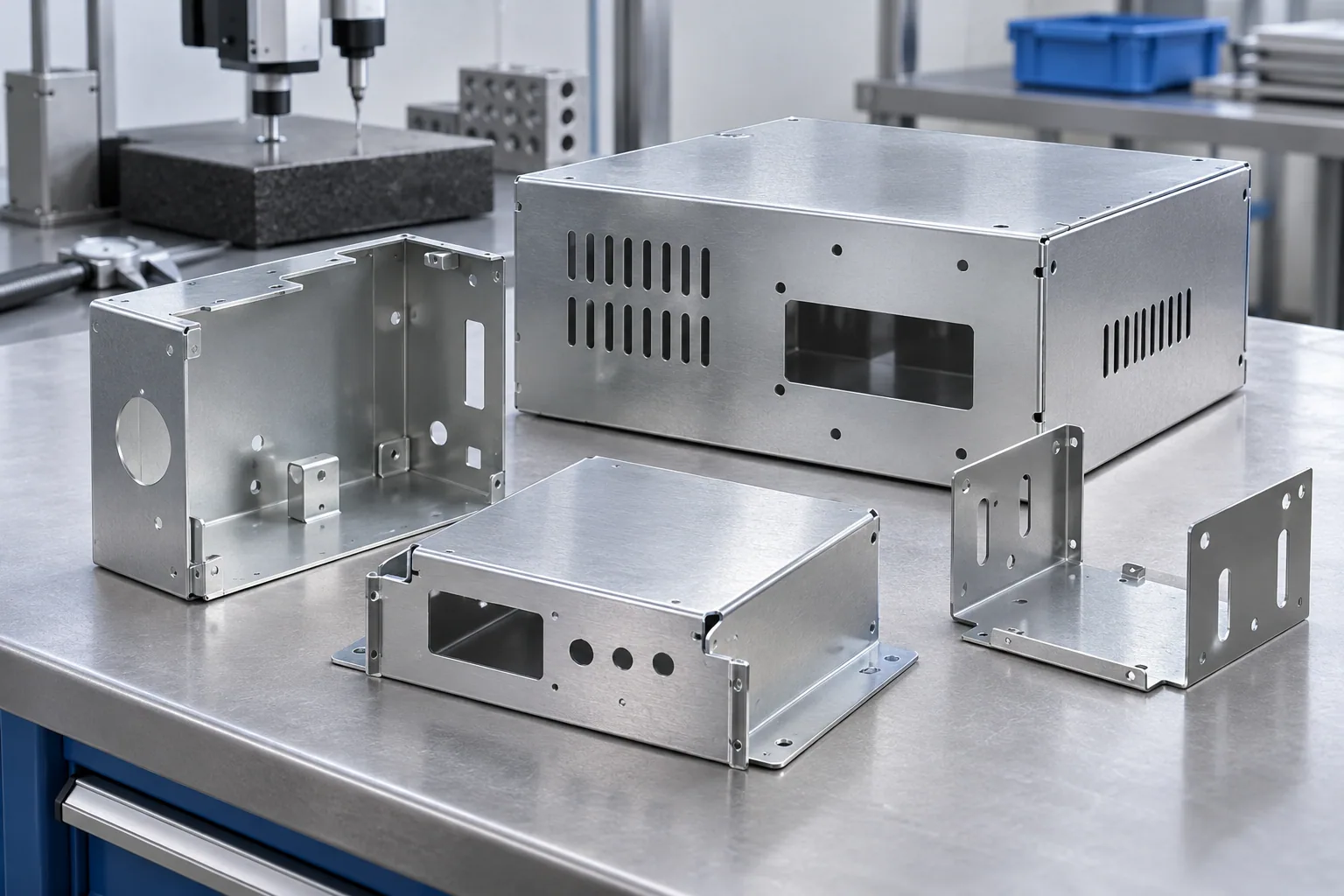
Three-sided parts with controlled width, height and parallel legs.
See U bracketsFlat plates with pierced holes, slots and cut-outs held to your datum scheme.
See mounting plates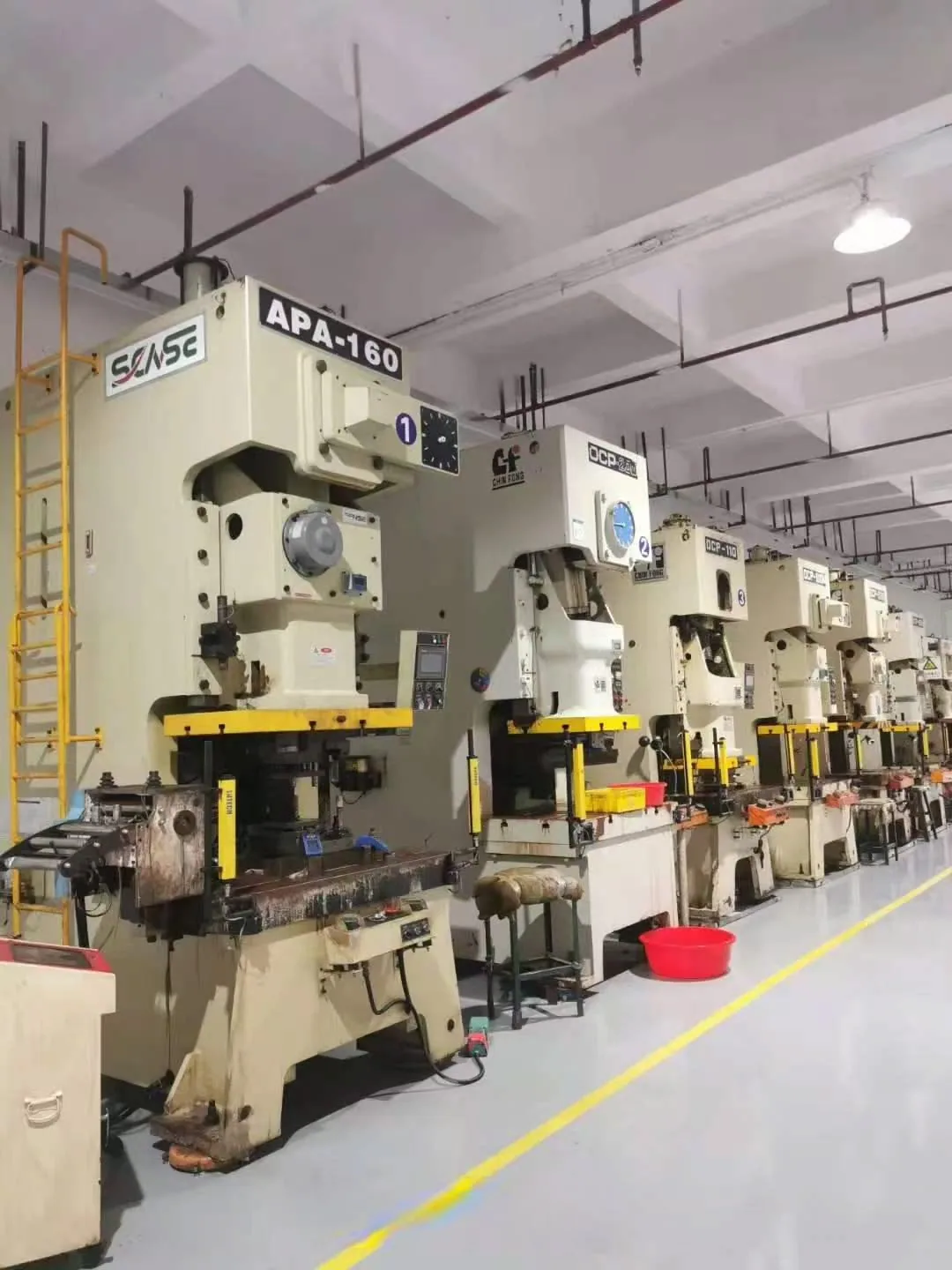
Retaining and spring clips where free height and travel matter.
See stamped clips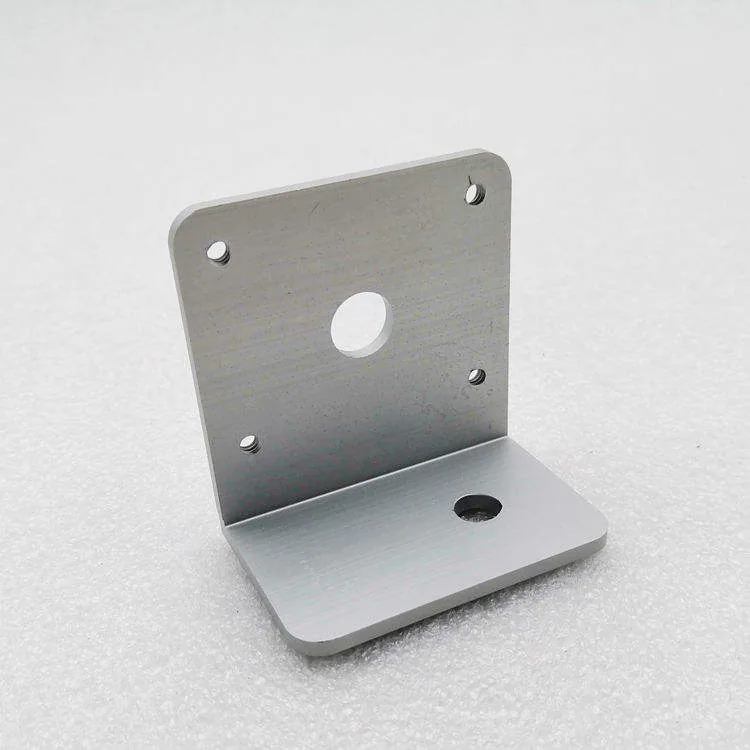
Brackets supplied with zinc plating, with post-coating dimensions agreed up front.
See zinc-plated brackets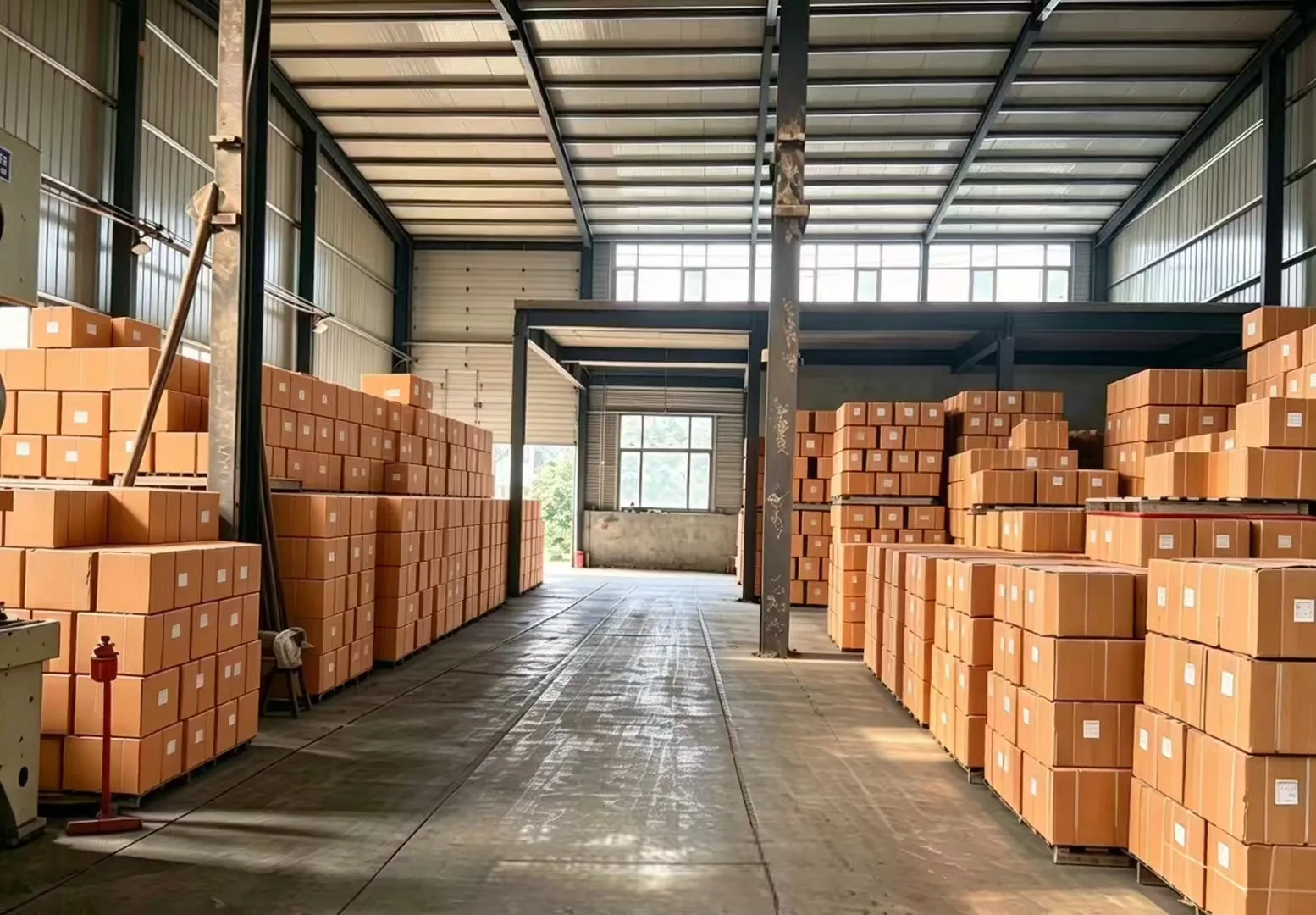
Anything outside the standard families — send the drawing and we quote the route.
See custom partsSend the drawing instead of browsing. Feasibility, tooling and price are confirmed against your part.
03 / HOW WE WORK
A stamped part only works when the tool, the material and the drawing revision agree. That is where we start — before any price.
Bring the revision that controls the part, the grade and thickness, and the dimensions that decide fit. Everything else follows from those three.
Geometry, tolerances and the features that control assembly.
Stamping, bending or drawing — and the tooling each one needs.
Price, lead time and inspection scope, stated in writing.
04 / MATERIALS
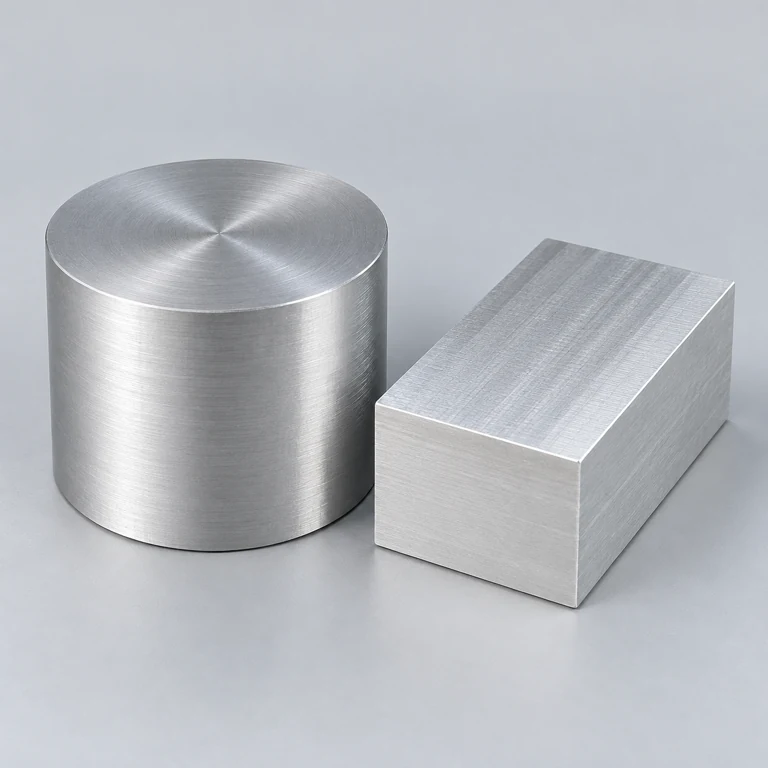
The four material groups we stamp most often, and what to settle before the part is quoted.
MOST COMMON
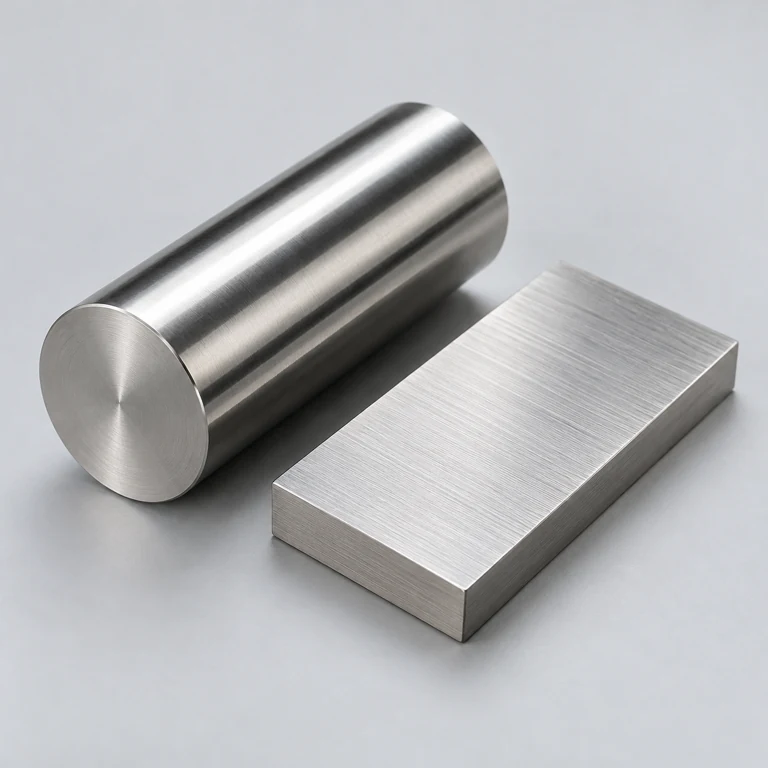
SPCC and Q235 cover most brackets, plates and clips — predictable forming, good weldability and the lowest material cost of the four.
CORROSION
304 is the usual choice for parts that see moisture or cleaning. 301 is used where higher strength or spring properties are needed.
LIGHTWEIGHT
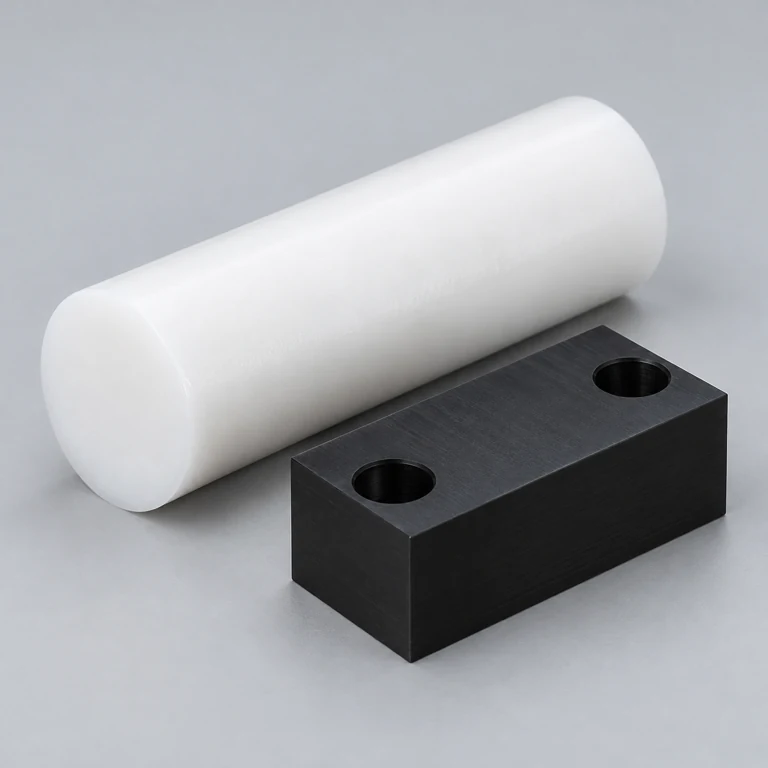
5052 and 1060 are common for lightweight covers, plates and housings. Softer than steel, so handling and tooling need more care.
CONDUCTIVITY
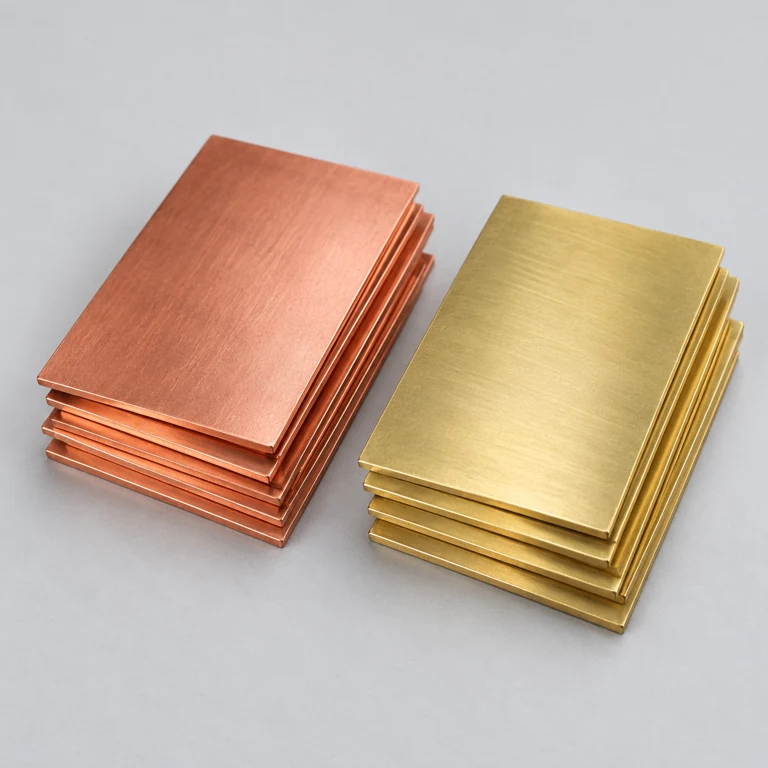
Copper and brass are used for terminals, contacts and shielding, where conductivity and solderability decide which grade is right.
05 / WHERE OUR PARTS GO
Three industries take most of our output. Each page covers the parts, the materials and the questions that come up.
AUTOMOTIVE
Brackets and reinforcement plates for automotive assemblies, where hole position and flatness decide whether the part fits.
ELECTRICAL
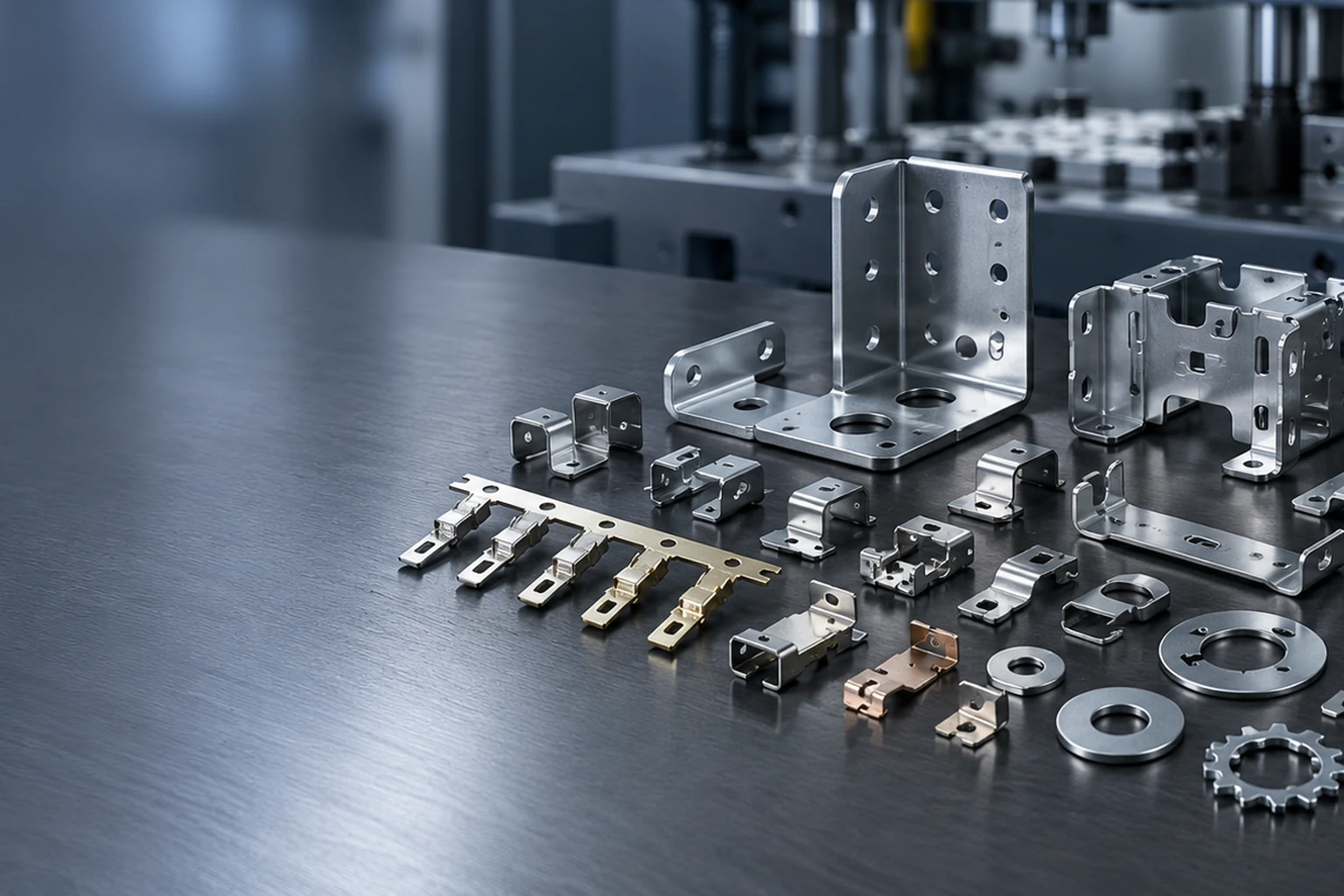
Terminals, shielding and chassis parts where conductivity, burr height and plating decide acceptance.
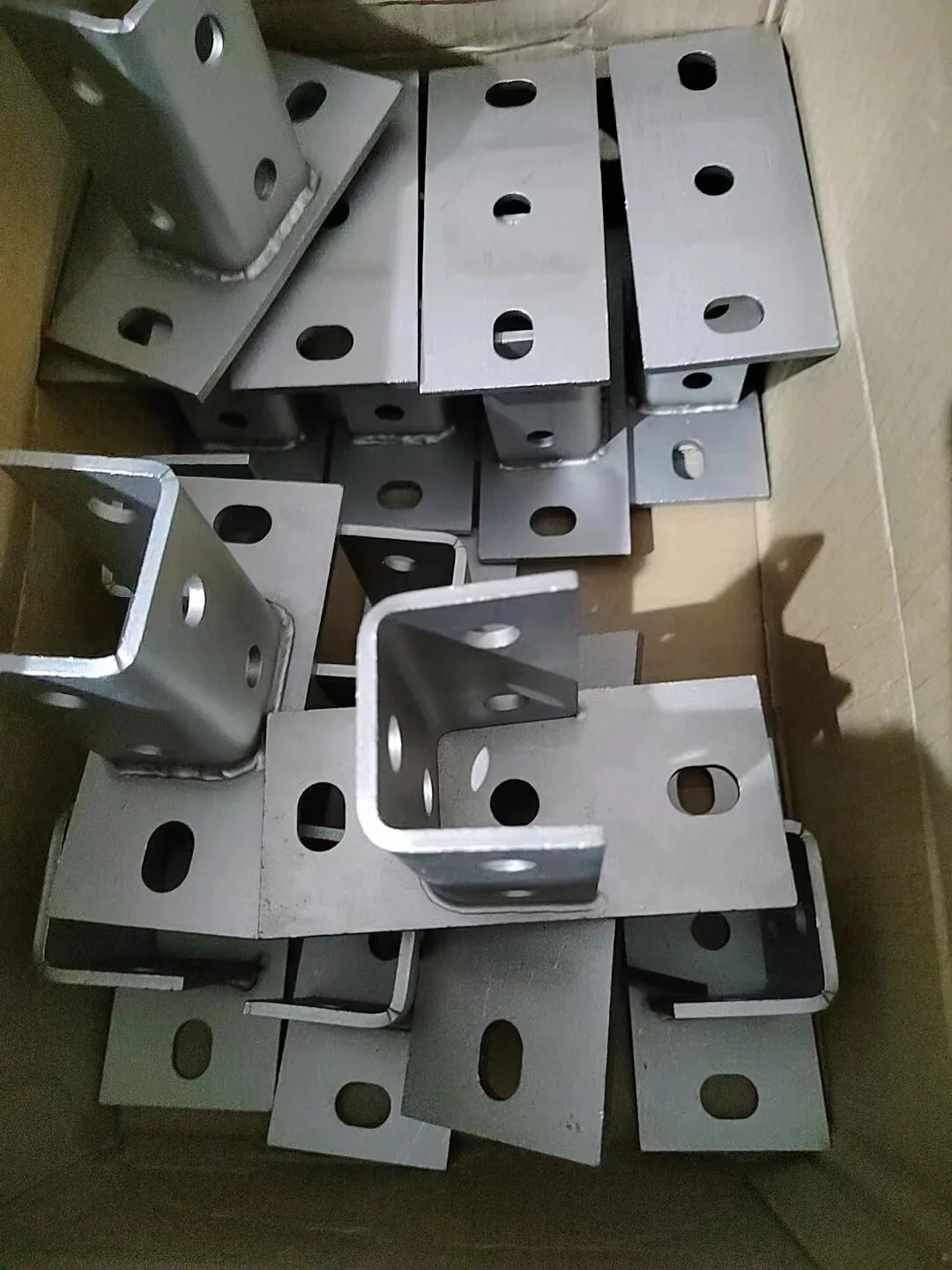
MACHINERY
Brackets, guards and mounting plates for industrial equipment, often in thicker stock with welded or bolted interfaces.
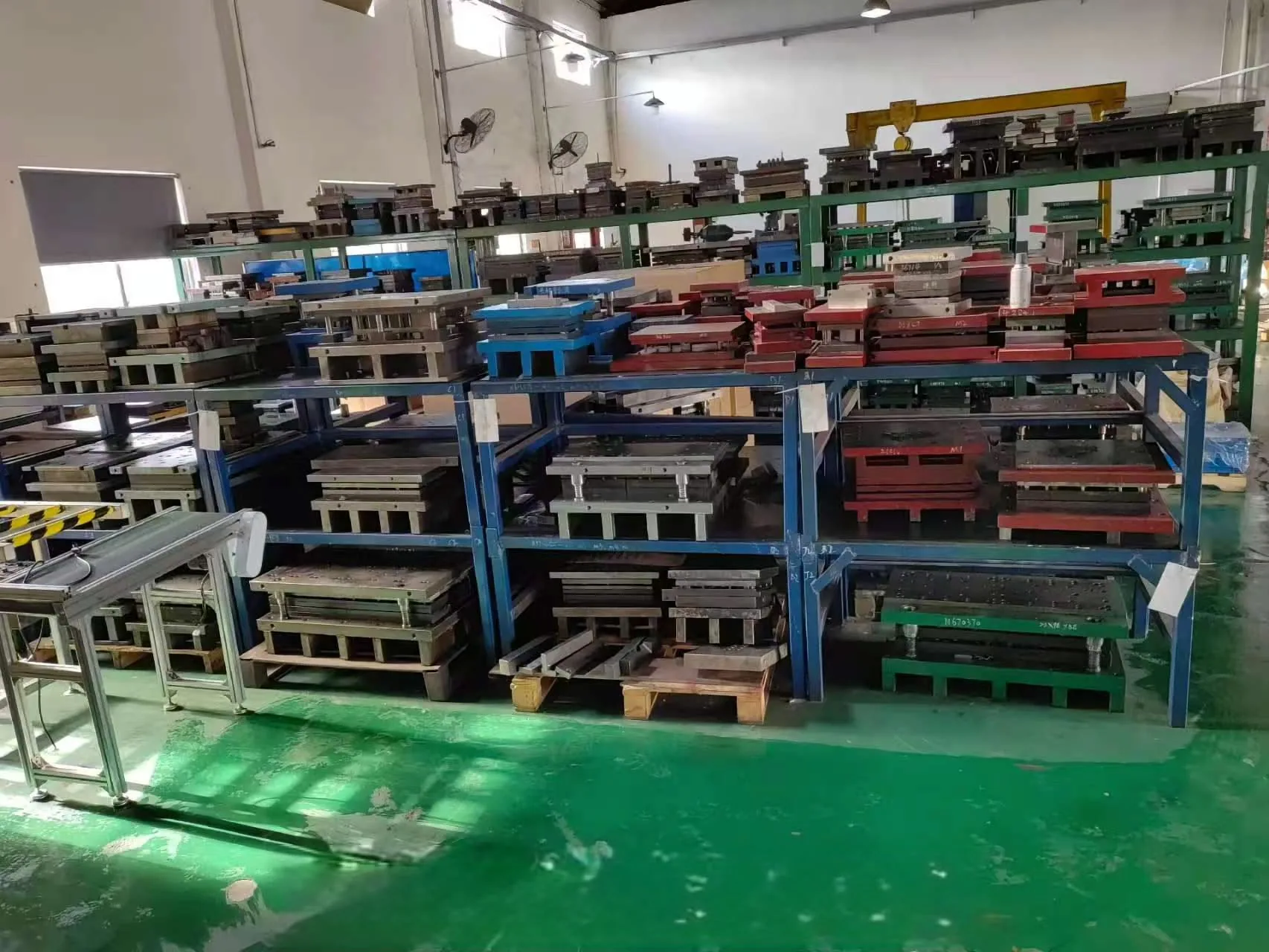
06 / HOW WE WORK
Four steps, each with something you can check.
STEP or DXF plus a dimensioned PDF, with material, thickness and quantity.
We confirm the process, tooling cost, unit price, lead time and inspection scope in writing.
Die built, first-off parts sent for your approval before the production run.
Batch run against the approved revision, packed and documented as agreed.
07 / INSPECTION
Inspection scope is agreed with the quote, not discovered at delivery.
Drawing, material and acceptance requirements
We work from the revision you approve. Datums and the dimensions that control fit are marked before the die is cut.
The mill certificate for the coil is kept with the job, and the grade is checked against the drawing.
Critical dimensions, burr limits and appearance criteria are written down before tooling starts.
First-off parts, dimension report
Parts from the new tool are sent for your approval, with the dimensions you marked measured and recorded.
The report lists each agreed dimension and its measured value against the drawing tolerance.
Any change to the drawing after approval is quoted and re-approved — never applied silently.
Packing, identification and documents
The records agreed with the quote travel with the shipment.
Part number, drawing revision and quantity are marked on the label.
Packing method, contact details and shipping documents are confirmed before dispatch.
08 / BEFORE YOU ORDER
before sending a drawing.
Until then, these are the three questions that come up in almost every first inquiry.
The revision on your STEP file and your PDF must match. That mismatch is the most common reason a quote takes longer than it should.
Mark the fits and hole positions that control assembly. Everything else can stay at general tolerance.
Zinc plating adds thickness. Say whether the dimensions apply before or after coating, so the tool is cut to the right size.
09 / BUYER RESOURCES
Three checklists to run before you send a drawing.
Drawing revision & file set
Tooling, price & lead time
Revision & sample reference
10 / QUESTIONS BEFORE YOU ORDER
The six things buyers ask before a first order.
Ask about your projectA STEP or DXF file and a dimensioned PDF on the same revision, plus material grade, thickness, quantity, finish and delivery destination. Mark the dimensions that control fit.
Price is material, tooling, press time, finishing and inspection, quoted as separate lines. There is no fixed minimum — whether a new die is justified depends on your annual volume.
Yes. First-off parts from the new tool are sent for approval before the run. Say what the sample needs to demonstrate so the check means something.
It depends on thickness, material and feature size. Mark the critical dimensions and datums — we confirm what is achievable for your part before quoting, not after.
State which documents you need in the inquiry — mill certificate, dimension report, or both. The document scope is confirmed with the quote.
Yes, we export. Give the delivery destination in the inquiry so freight and terms can be quoted together with the parts.
11 / SEND YOUR DRAWING
Attach the STEP file and the dimensioned PDF, then state material, thickness, quantity and delivery destination. Files are used for quoting only.
Open the quote form →Pricing, feasibility and lead time are confirmed after we read the drawing.
REQUEST A QUOTATION